SKGO Japanese — learning resources and connection beyond the classroom
SKGO began with a practical need: children learning Japanese needed engaging resources they could use outside class. I co-built the first website with my brother, then helped expand the project into volunteer-led activities connecting children with Japanese language and culture.
My contributions: most of the original mini-game, vocabulary cards, origami slides, and all male voice recordings; user-informed revisions; recruitment and coordination of Japan-side volunteers; and workshop delivery.
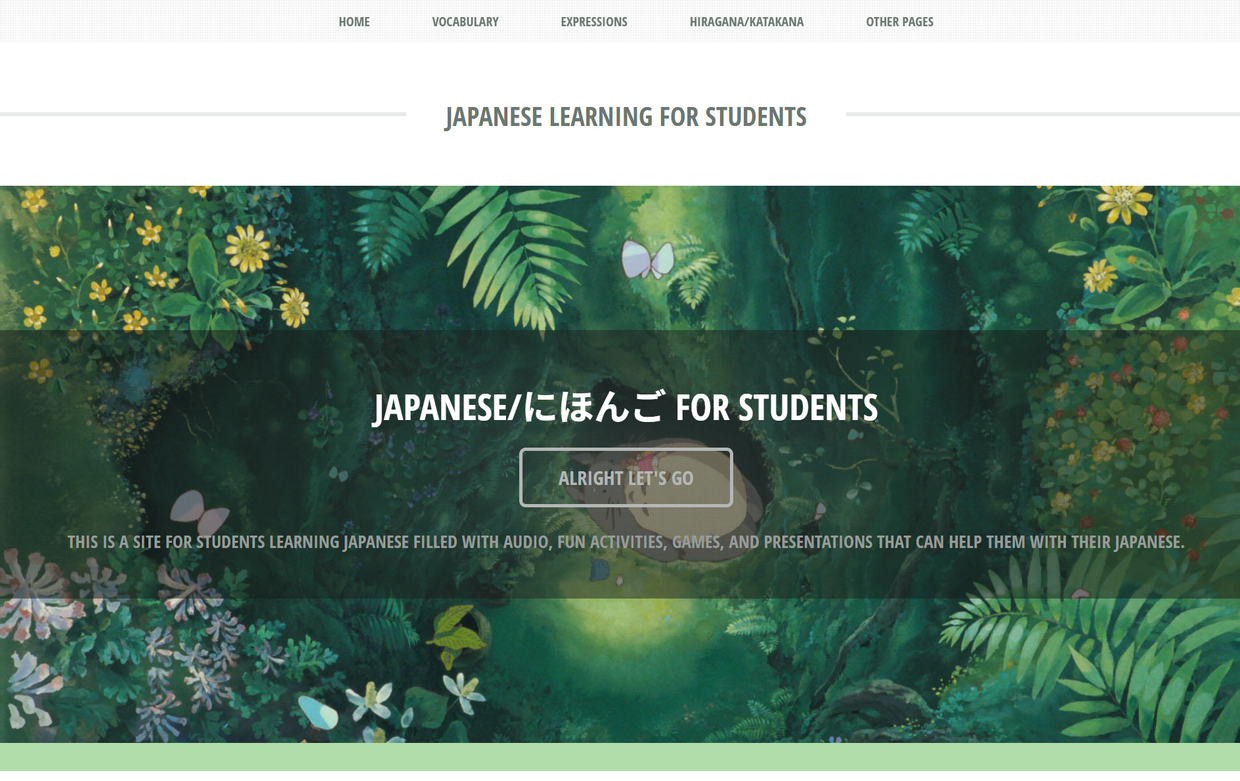
Building resources children could use
The first version used HTML, CSS, and JavaScript. I organized vocabulary around child-friendly themes and paired it with images and recorded speech. When generated audio sounded unnatural, I recorded my own voice, practicing clear pronunciation and repeating takes.
An early mini-game included too many words at once. Children’s frustration showed that adding content could make the activity less approachable. I adjusted the difficulty so they could build up gradually rather than confronting the full set immediately.
Parents also raised concerns about inappropriate redirection and information leakage. Working with the school, we cancelled planned member registration and its associated personal-information collection before it shipped, and served no ads. Analytics remained in place.
Extending the project beyond the website
I recruited and coordinated volunteers in Japan to support the school community, with recurring content releases while the program ran. My mother taught the class the volunteers supported; my responsibility was organizing contributions and leading activities around it.
In a picture-book workshop, I led a drawing and mini-book-making segment in which children created characters and wrote their own Japanese sentences. The activities gave the language a use beyond completing a website exercise. The program included both local and online delivery, connecting the learning resources with shared experiences.
Recognition and ownership
The project reached the final 16 of 328 submitted works in the 2022 U-22 Programming Contest and received a Smaregi sponsor prize.
My brother built the expression pages in the first version and most of the Next.js rewrite released in 2025, which is the site running today. The volunteer organization ended in 2025 as my mother left the school and volunteers graduated; the website remains available, with my later involvement limited to minor fixes and patching.